Fuelling Your Trip: A Guide to Cycling Holiday Nutrition
Get it right and it will pay dividends. Get it wrong, and you could be bonking halfway up a mountain with no one around and not a single doughnut in sight to sort you out…
I often get asked how to properly fuel a cycling holiday by my clients. The joy of being able to ride for hours on end, back to back days with a break from the usual work/life/family commitments is why we spend most of our year looking forward to a few days each year.
But as most of us aren’t used to clocking the sort of KMs we would when away in Mallorca at home, we don’t often practice getting the fuelling right.
There’s so much noise on how to fuel, and a lot of this comes from the professional cycling ranks and trickles down which isn’t always helpful as we aren’t burning anywhere near the energy those guys and girls are.
So I sat down with Matt Waterfield from Woodnote Triathlon Coaching to get an understanding of how we can all improve our fuelling on a cycling trip to get the most out of it.
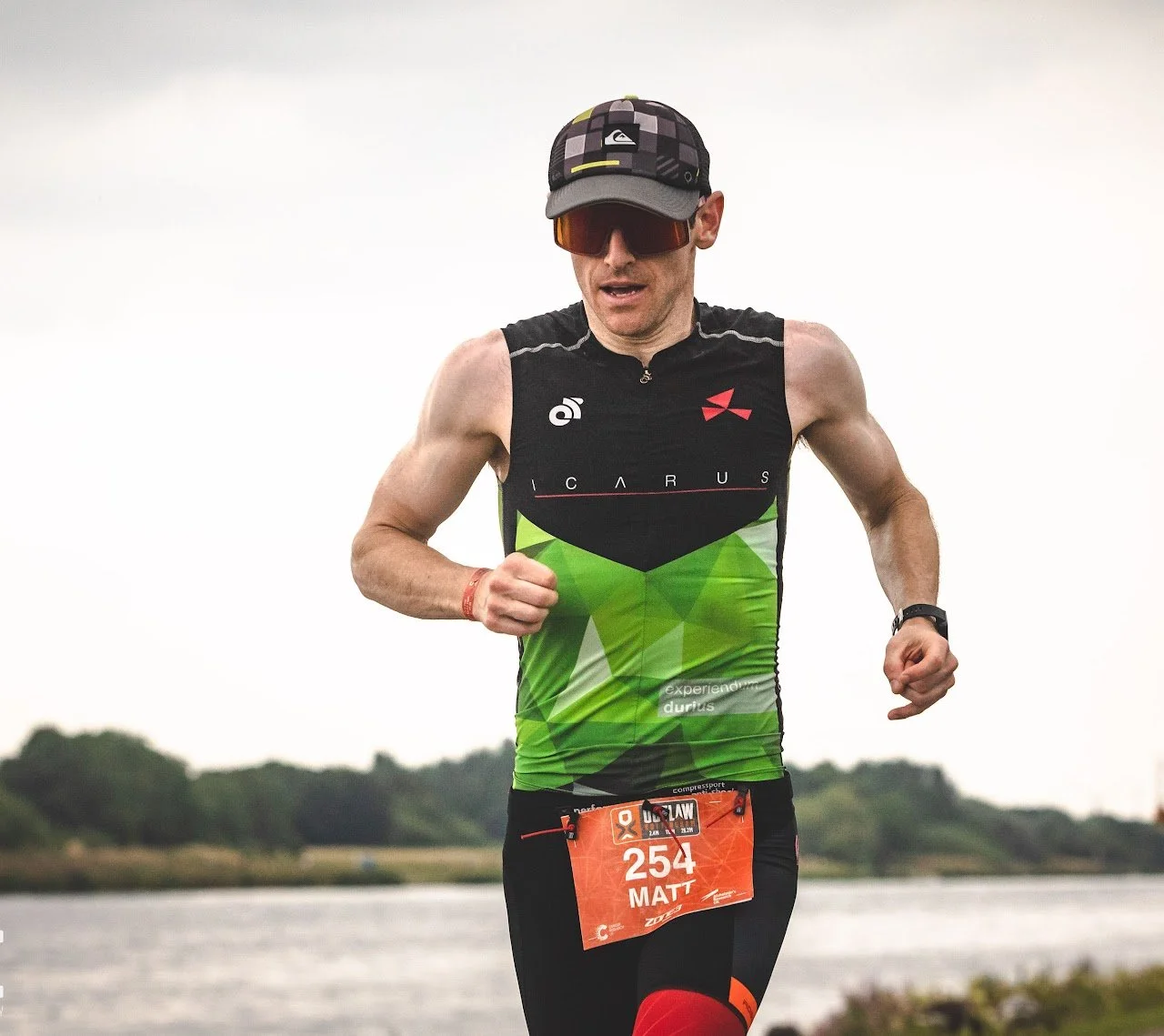
With a love of coaching, and a love of helping people, Matt has been a full time, professional triathlon coach since 2013.
Fuelling your trip
Here’s what Matt has to say:
Cycling holiday, training camp. Whatever you call it, To get the most from a multi-day cycling trip, it’s essential to fuel and hydrate adequately.
The goal is performance and adaptation first. This not weight loss camp (do they exist? They sound awful…).
While you can support training by eating more around sessions, and we’ll come on to that a bit later on, fuelling during rides becomes critical when riding medium to long durations on consecutive days.
And I’ll interject here and say that what may be the longest ride of their life for one client could be a standard training ride for another so when designing trips and itineraries your ability and requirements are always put first, much like Matt’s coaching.
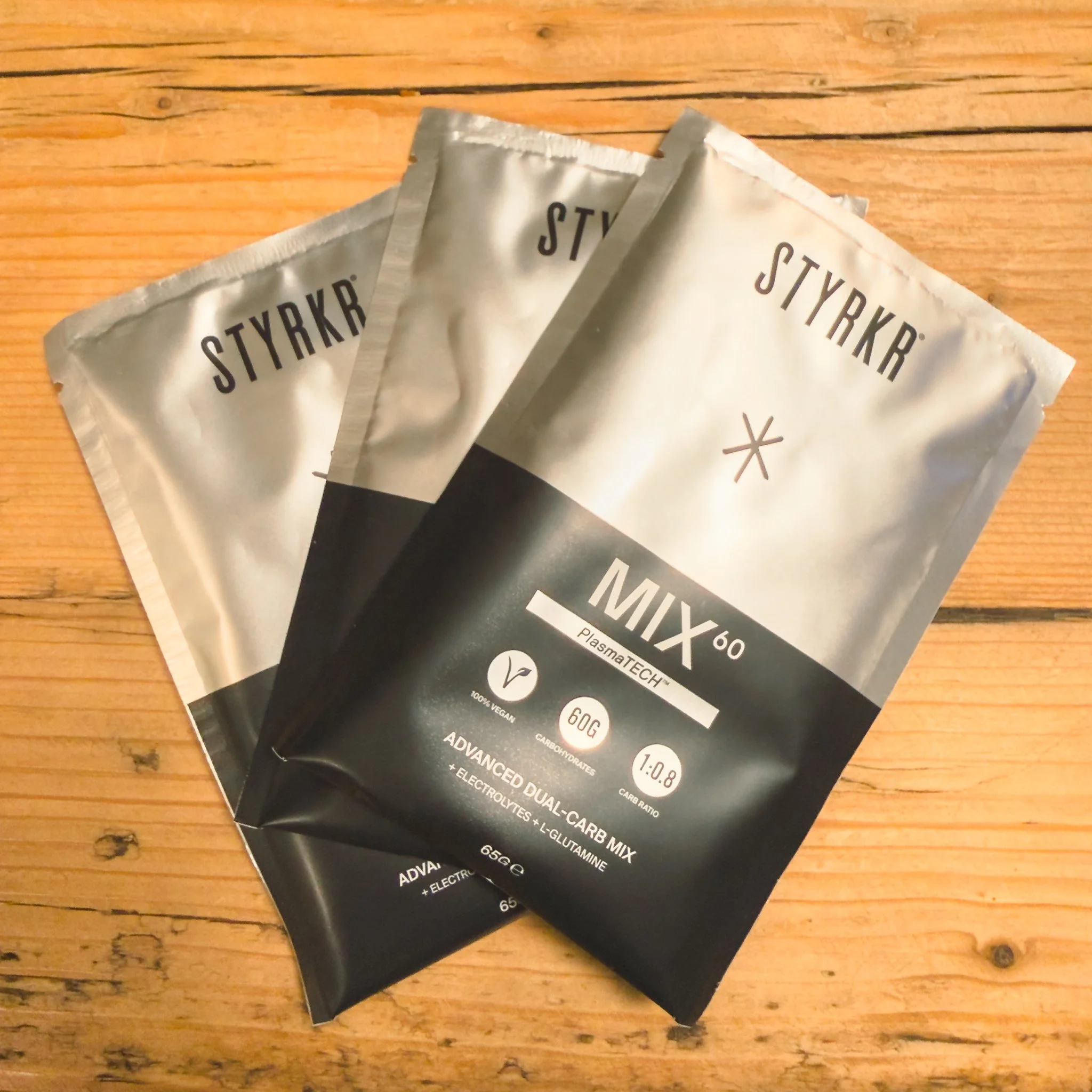
Carb mix in bottles is a great way to keep topped up during your rides
How much carbohydrate?
Carbohydrate is the foundation of fuelling for an endurance athlete. And so often I see even the most experienced athletes overlooking getting it right as they consider which new aero wheelset they should buy for their upcoming season…
A rider’s needs depend on duration and intensity, with body size (height and weight) and individual tolerance also playing a role.
The guidelines below as the starting point we use and then adjust accordingly from there:
*Easy rides (Z1–Z2): ~40 g carbohydrate per hour
*Moderate riding (Z2 with Z3 climbs): 50–60 g per hour
*Harder rides (tempo / Z3 to threshold): 80–90 g per hour
*Racing or very intense sessions: Up to 120 g per hour (for experienced athletes with trained gut tolerance)
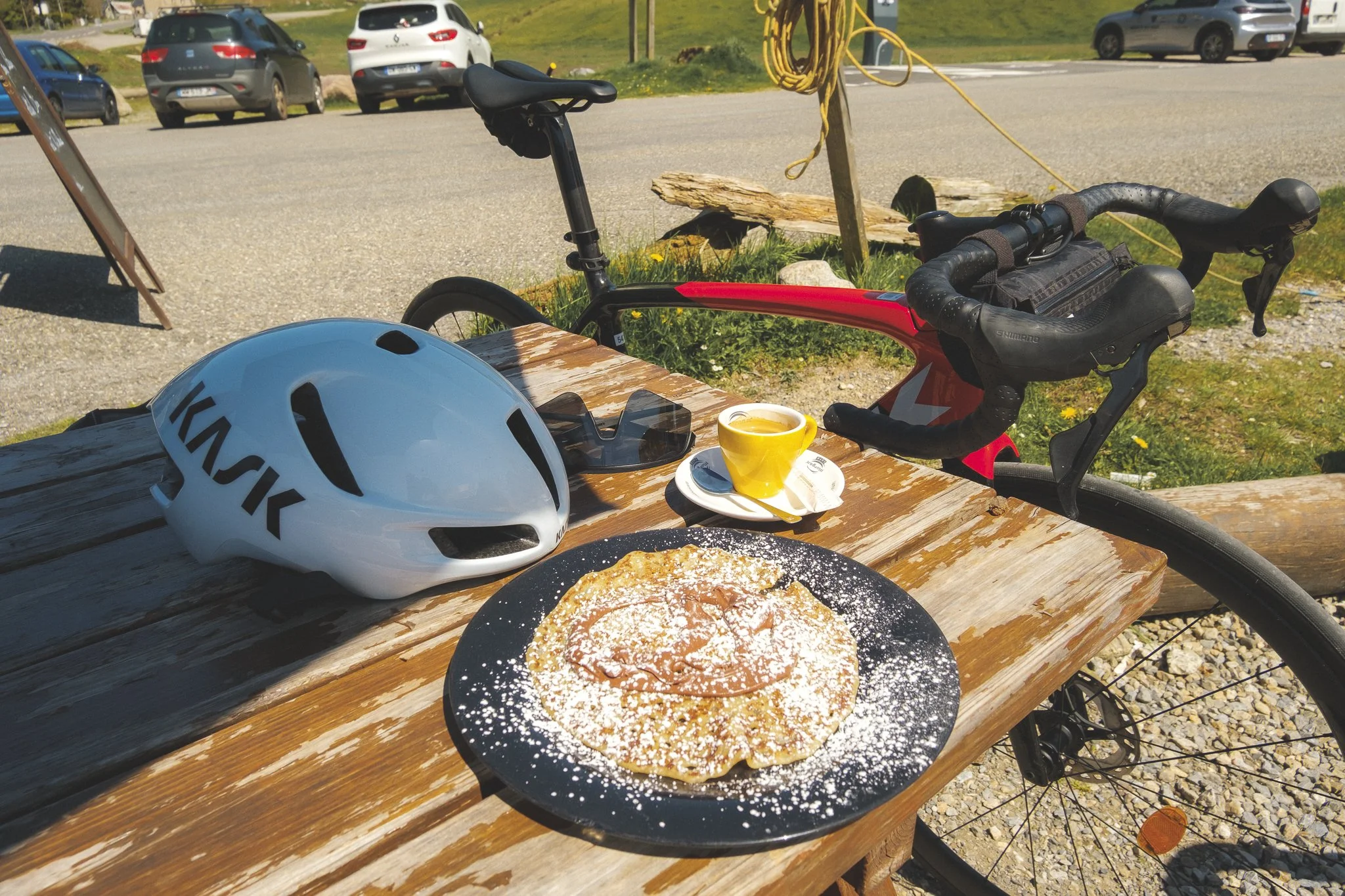
But it doesn’t have to be all gels and carb mix…
Camp-specific fuelling
This is where things get a bit trickier. Most of the athletes I work with will do one long ride per week (we call a long ride 3+ hours but that can vary for each athlete - work on what feels ‘long’ to you).
So the ability to fuel for one ride, then recover the following day is made much easier at home.
On a training camp it’s different. You will very likely be back in the saddle the following day and riding a similar distance and duration.
Fuel from the start to the finish of every ride. This means you likely need to start fuelling earlier than you would on your sunday long ride at home.
It’s easy to think you’re already “covered” for the final hour, but effective fueling is about preparing for the following day as well.
Recovery begins during the ride itself — aim to finish sessions fueled, not depleted. I personally like to make sure I eat something on the bike, the last energy bar or gel, within the last 10km of the ride. That way you know you’re not getting back to the hotel in a depleted state while you shower, get ready and then go to the buffet absolutely ravenous.

Well now you mention it, yes, I very much do like pizza. I’ll take two…
Recovery and protein intake
Prioritising recovery between days is the key here.
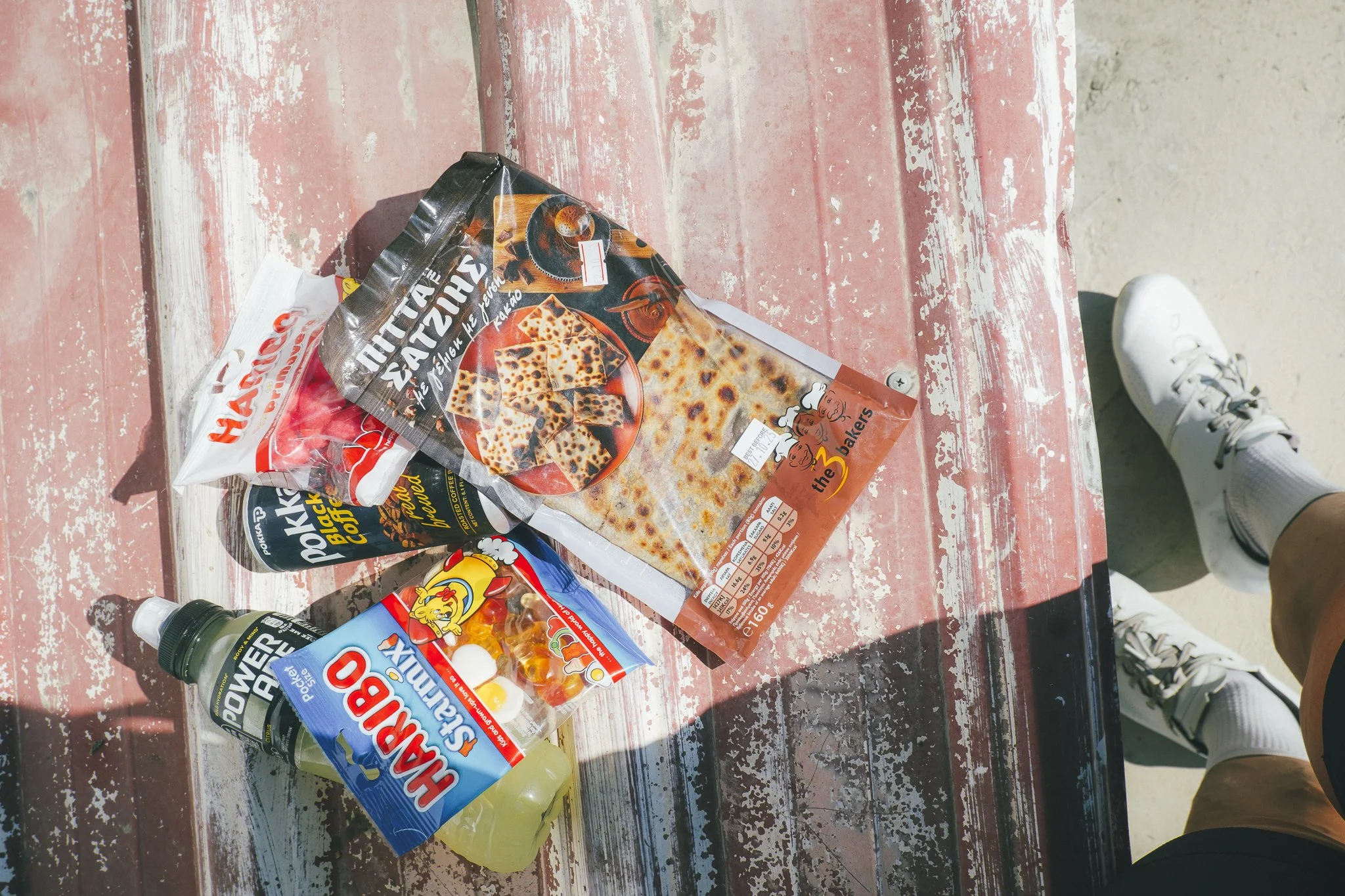
Recovery begins as soon as you step off the bike, so I like to bring some carb and protein recovery bars with me to have in the hotel room while I get ready. In a pinch you can also hit up a local supermarket and stock up on protein bars and haribo.
As a guideline, aim for ~2 g of protein per kg of bodyweight per day during camp. This can be challenging when most on-bike intake is carbohydrate-based, so plan meals and snacks according.
Plan protein throughout the day, an egg or two at breakfast, some extra chicken at dinner all helps the muscles recover and adapt while you’re pushing them hard on the bike.
GCN have done a really good video on protein intake as cyclists, and you need more than you think!
Hydration and electrolytes
It’s very likely that you have booked a cycling trip to somewhere warmer than where you live. This can be a significant change for your body to cope with, and you don’t want to be playing catch up with hydration from day one.
When riding you’ll be sweating, so prioritise electrolyte-containing fluids rather than plain water. Sodium is the key electrolyte for hydration; other minerals may be included, but sodium intake should be the primary focus. But don’t just whack a load of table salt in a bottle and head out for the day. Plenty of good quality, inexpensive hydration options are out there - I like the Styrkr hydration tablets personally and recommend them for my athletes.
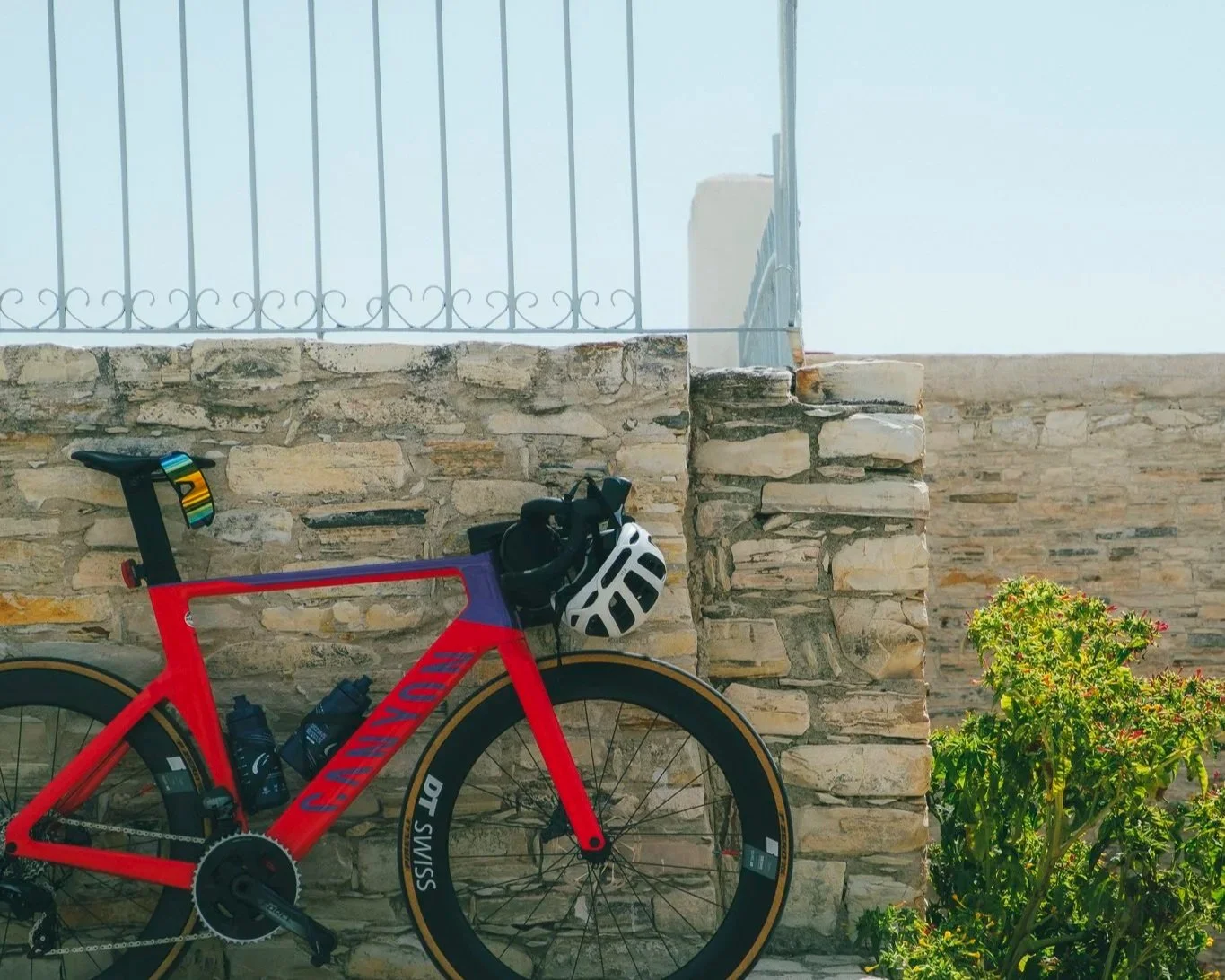
Nothing better than riding in the sun, but if it’s hot, plan accordingly
What to eat and drink
One thing to note is that using carbohydrate drink mixes in bottles is convenient, but hydration needs can vary significantly with temperature. If all fuel comes from bottles, it can be difficult to balance fluid and carbohydrate intake.
I find a mixed approach works best with my athletes. It stops them getting bored of eating the same thing for a week and done right, you shouldn’t have to think about it to much.
Work it out by hour, I count the the ride will take and organise my nurtirion by that in the morning
Start with some carbohydrate in bottles - sachets can go up to 90g per bottle so work out how much you can tolerate. I stick between 30-60g per bottle.
High carb delivery gels, like the 50g Styrkr gels are ideal. One of these an hour combined with your drink mix and you’re well on the way to proper fuelling.
Bars or rice cakes are good for steady Z1–Z2 riding but you don’t want to be trying to chew an energy bar mid-effot up Sa Calobra. But waiting for the group to come together at the top of a climb is the perfect time for an energy bar.
In very hot or cold conditions, consider separating hydration and nutrition entirely. Thirst may be suppressed in the cold, while fluid needs may be very high in the heat — fuel intake should remain consistent regardless so increase the number of gels/bars/haribo you take out with you on these days.
Travel Tip - the single-serving sachets of carbohydrate mix and protein powder make packing much simpler.
Summary
Getting your fuelling right on a cycling holiday or training camp can make or break how much you get out of it, and how much you enjoy it as well.
It can feel overwhelming, so try and keep things as simple is possible.
And preparation is key, go through your itinerary before you go and pack for it. But don’t worry if you can’t take it all with you, just stock up when you land and enjoy the riding!
Check out Matt’s website here for one to one performance coaching in Cycling and Triathlon.
And follow along for more travel tips and tricks to make your next cycling holiday the best yet